
 Written by
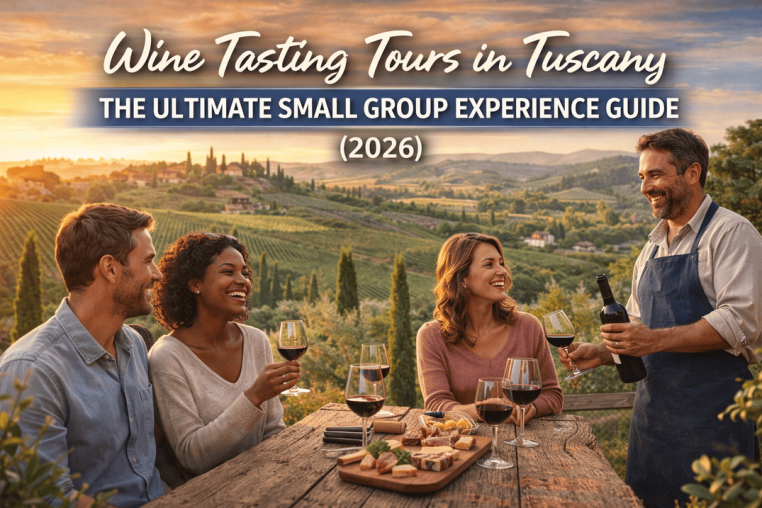
 Rolling hills, sun-soaked vineyards, medieval villages, and centuries-old winemaking traditions Tuscany is one of the world’s most iconic wine regions. For travelers seeking authenticity and deeper connections, wine tasting tours in Tuscany with a small group experience offer the perfect balance between luxury, learning, and intimacy.
Unlike large bus tours, small group wine tours allow you to slow down, engage with local winemakers, and truly understand the story behind every glass. Whether you’re a wine beginner or a seasoned enthusiast, Tuscany delivers unforgettable moments rooted in tradition and landscape.
Why Choose a Small Group Wine Tasting Tour in Tuscany?
Tuscany is famous worldwide, but how you explore it makes all the difference.
1. More Personal Experiences
Small groups usually consist of 6–12 people. This means:
-
More interaction with guides and winemakers
-
Easier access to vineyard owners
-
Relaxed pacing without feeling rushed
2. Access to Boutique Wineries
Many family-run wineries don’t host large tour buses. Small group tours often include:
-
Private vineyard walks
-
Cellar visits
-
Tastings of limited-production wines
3. Deeper Wine Education
With fewer people, guides can explain:
-
Grape varieties
-
Terroir differences
-
Aging techniques
-
Food and wine pairing traditions
What Makes Tuscany a World-Class Wine Destination?
Tuscany’s winemaking history spans over 2,500 years. Its climate, soil, and geography create ideal conditions for grape growing.
Famous Tuscan Wine Regions
Chianti
Perhaps the most famous Tuscan wine region, Chianti is known for Sangiovese-based wines with bright acidity and rich character. Small group tours here often include countryside drives and medieval villages.
Montalcino
Home of Brunello di Montalcino, one of Italy’s most prestigious wines. Tastings here focus on structure, aging, and craftsmanship.
Montepulciano
Known for Vino Nobile di Montepulciano, this area offers hilltop views and historic cellars beneath the town.
What to Expect on a Small Group Wine Tour
Most wine tasting tours in Tuscany with a small group experience follow a comfortable and immersive structure.
Vineyard Visits
Walk through the vines while learning how:
-
Soil composition affects flavor
-
Climate influences harvest timing
-
Sustainable farming practices are applied
Cellar Tours
See where the magic happens:
-
Fermentation tanks
-
Oak barrels
-
Aging rooms
Winemakers often explain how long wines rest before bottling.
Guided Wine Tastings
Taste multiple wines, often paired with:
-
Olive oil
-
Local cheeses
-
Cured meats
-
Fresh bread
Tastings are guided, making them accessible even for beginners.
Starting Points for Tuscany Wine Tours
Most travelers begin from major Tuscan cities.
Florence
Florence is the most common departure point. Many small group tours include transportation into the countryside.
Siena
Siena-based tours often focus on Chianti and southern Tuscany.
Staying outside major cities can also provide access to quieter, more local-focused tours.
Best Time for Wine Tasting Tours in Tuscany
Spring (April–June)
-
Mild temperatures
-
Green vineyards
-
Fewer crowds than summer
Autumn (September–October)
-
Harvest season
-
Grape picking activity
-
Rich colors and festive atmosphere
Autumn is often considered the best time for wine lovers, but tours operate year-round.
Who Are Small Group Wine Tours Best For?
Small group wine tasting tours in Tuscany are ideal for:
-
Couples seeking romantic experiences
-
Solo travelers wanting social but relaxed tours
-
Friends traveling together
-
First-time visitors to Italy
-
Wine beginners who want guided learning
They strike a balance between social interaction and personal space.
Food and Wine Pairing: A Tuscan Highlight
Wine in Tuscany is inseparable from food.
Expect pairings with:
-
Fresh pasta
-
Truffle dishes (seasonal)
-
Local olive oil
-
Pecorino cheese
Many tours include lunch at wineries or countryside trattorias.
How Much Do Small Group Wine Tours in Tuscany Cost?
Prices vary depending on:
-
Duration (half-day vs full-day)
-
Number of wineries visited
-
Included meals
-
Transportation
While small group tours may cost more than large bus tours, the quality and depth of experience often justify the price.
Budget-Smart Tips
-
Book directly with local operators
-
Travel during shoulder season
-
Choose half-day tours if short on time
Tips for Booking the Best Small Group Wine Tour
1. Check Group Size
Smaller groups mean better experiences.
2. Look for Local Guides
Local experts provide cultural and historical insights beyond wine.
3. Read Recent Reviews
Focus on feedback about pacing, guide knowledge, and winery quality.
4. Confirm Inclusions
Check whether lunch, transportation, and tastings are included.
Responsible and Sustainable Wine Tourism
Many Tuscan wineries prioritize:
-
Organic farming
-
Water conservation
-
Traditional production methods
Supporting small group tours helps preserve these practices and benefits local communities.
Frequently Asked Questions
Do I need wine knowledge to enjoy these tours?
No. Guides explain everything in a friendly and accessible way.
Can non-drinkers join?
Yes. Vineyard visits, food, and scenery still make the experience worthwhile.
Are tours suitable for older travelers?
Most small group tours are relaxed and suitable for all ages, though some walking may be involved.
Final Thoughts
Choosing wine tasting tours in Tuscany with a small group experience allows you to go beyond surface-level sightseeing. Instead of rushing through crowded wineries, you’ll enjoy thoughtful conversations, authentic flavors, and deeper appreciation for one of Italy’s most treasured regions.
From the rolling vineyards of Chianti to historic towns like Montalcino and Montepulciano, Tuscany offers wine experiences rooted in tradition, landscape, and human connection.
If you’re planning a trip to Italy in 2026, a small group wine tour in Tuscany isn’t just an activity it’s a journey into culture, craftsmanship, and slow travel at its finest.